Sharm El Sheikh Holidays – Best Times, Deals and Guide
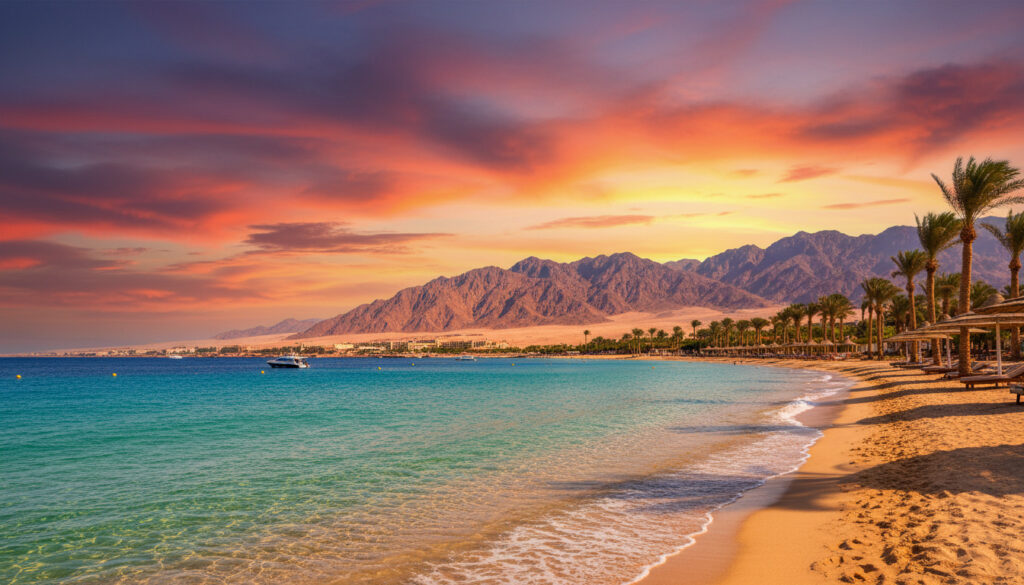
Sharm El Sheikh sits at the southern tip of Egypt’s Sinai Peninsula, where the ochre desert meets the turquoise Red Sea. This purpose-built resort city has established itself as Europe’s premier winter sun destination, offering coral reef ecosystems that attract divers globally and beaches that remain swimmable while British temperatures plummet.
The destination operates on a distinct seasonal rhythm that affects everything from underwater visibility to hotel pricing. British travellers can reach the resort in five to six hours direct flight, entering a climate zone where January brings 20°C afternoons and July pushes past 39°C. Understanding these patterns proves essential for matching expectations to reality.
Beyond the postcard imagery of palm-fringed bays lies a complex infrastructure of marine protected areas, Bedouin cultural sites, and visa protocols specific to the Sinai Peninsula. This examination draws on current operational data and meteorological records to clarify what planning a Sharm El Sheikh holiday actually requires.
What is the Best Time to Visit Sharm El Sheikh for Holidays?
Diving, coral reef exploration, winter sun
October–April (20–30°C air temperature)
£500–£1000pp/week all-inclusive
Free on arrival for 15 days (UK citizens)
April, May, September and October deliver the most reliable conditions for general holidaymakers, according to meteorological data aggregated from resort monitoring stations. During these months, air temperatures hover between 25–30°C with reduced humidity levels, while sea temperatures range from 23–29°C—warm enough for extended snorkeling without thermal protection.
Spring (March through May) and autumn (September through November) offer the optimal balance of warmth and activity access. Daytime highs reach 20–32°C with 8–12 hours of daily sunshine and minimal rainfall. These shoulder seasons avoid the intense thermal spikes of summer while maintaining operational status for all marine excursions.
- April and October provide peak diving visibility exceeding 40 metres at Ras Mohammed National Park and Tiran Island
- March and July represent traditional high-season peaks, driving hotel and flight prices upward
- Winter months (December–February) average 20–25°C during daylight hours, dropping to 10°C at night
- June through August brings extreme heat exceeding 39°C, with occasional peaks near 50°C, though seas remain warm at 28–29°C
- May and September function as value shoulder seasons with 24–34°C temperatures and reduced crowd density
- Sea temperatures maintain swimmable levels (24–30°C) from February through November year-round
| Fact | Details |
|---|---|
| Location | Sinai Peninsula, Egypt (southern tip) |
| Airport | Sharm El Sheikh International (SSH), 10km from Naama Bay resorts |
| Climate classification | Hot desert (BWh) with near-zero annual rainfall |
| Flight duration from UK | 5–6 hours direct |
| Currency | Egyptian Pound (EGP); GBP and EUR accepted in resort zones |
| Language | Arabic; English standard in tourism infrastructure |
| High season months | March, July, January (pricing peaks) |
| Evening temperatures | 20–29°C in peak months; cooler in winter requiring light jackets |
Is Sharm El Sheikh Safe for Tourists?
The resort maintains a reputation as a secure, tourism-focused enclave with dedicated security infrastructure surrounding hotel districts. The area operates under enhanced protective measures distinct from Egypt’s broader administrative regions, creating a buffer of controlled access points and monitored perimeters around Naama Bay and SOHO Square.
General consensus among travel operators positions the resort zones as secure for standard holiday activities. However, current databases contain no specific 2025–2026 safety protocol updates, requiring travellers to consult real-time Foreign, Commonwealth & Development Office advisories regarding regional tensions that may affect Sinai Peninsula travel.
Do You Need a Visa for Sharm El Sheikh?
UK citizens require entry clearance for Egypt, though the Sinai Peninsula offers a simplified arrival process. The Sinai-only visa permits stays solely within Sharm El Sheikh and surrounding areas without requiring full Egyptian entry visas. Available on arrival at SSH airport, this document grants 15 days free of charge or 30 days for approximately £25, according to Odynovo Tours travel documentation.
Travellers intending to visit Cairo, Luxor, or Nile cruise ports must secure full Egyptian visas prior to arrival or at dedicated visa counters, as the Sinai-only stamp restricts movement to the peninsula’s resort corridor.
While resort areas maintain controlled environments, specific 2025–2026 security updates remain unavailable in current open-source databases. Consult official UK and EU travel advisories immediately prior to departure for real-time risk assessments regarding regional tensions.
Top Things to Do on Sharm El Sheikh Holidays
The destination’s primary draw remains its underwater topography. Ras Mohammed National Park and Tiran Island host reef systems with visibility reaching 40+ metres during optimal months, supporting dive tourism that sustains the local economy year-round.
Marine Activities and Diving
Ras Um Sid, Ras Mohammed, and the Straits of Tiran offer wall diving, drift dives, and shallow reef snorkeling accessible to varying certification levels. The best visibility window runs October through April, though reefs remain ecologically active throughout the year. Operators require proof of certification for deep sites, while introductory dives accommodate novices at Ras Um Sid’s gentle slope.
Family Resorts and Entertainment
Luxury all-inclusive properties dominate the accommodation landscape, featuring kids’ clubs, multiple pool complexes, and direct beach access. These facilities cater specifically to family units seeking contained environments where children access supervised activities while adults utilize spa and diving services. The infrastructure supports extended stays, with travel guides recommending minimum three-day allocations to experience primary attractions without rushed transit.
Desert Excursions and Nightlife
Bedouin-guided camel treks and 4×4 safaris into the Sinai interior provide contrast to marine activities, typically scheduled during cooler morning or evening hours. SOHO Square and Naama Bay’s promenade offer concentrated dining and entertainment districts operating late into the evening, with seasonal activity peaking during high-season months.
Water clarity at Ras Mohammed National Park and Tiran Island reaches maximum visibility during October through April, coinciding with reduced surface chop and lower plankton density in the Red Sea.
Tour operators and destination specialists recommend planning at least three full days to properly experience the marine parks and desert excursions without compromising rest periods.
Best Sharm El Sheikh Holiday Deals and Packages
All-inclusive packages dominate the booking landscape, bundling flights, transfers, meals, and soft drinks into single-price structures that simplify budgeting. These arrangements prove particularly prevalent during shoulder seasons when resorts offer competitive rates to maintain occupancy between peak periods.
February through May and September through November represent value windows, according to seasonal pricing analysis. During these intervals, identical accommodations cost substantially less than January or July bookings, while maintaining operational standards for all amenities. July requires particular planning, as school holiday demand drives prices upward and reduces availability at family-oriented properties. For more information on Sharm El Sheikh holidays, consult the Kompatibilität nach Geburtsdatum Tabelle.
July peak season bookings require three to six months advance reservation to secure preferred resort placements and flight times. Tour operators note that last-minute availability during this period carries significant premiums.
When Should You Book Sharm El Sheikh Holidays?
- October–November: Post-summer thermal break with full marine operations resuming; peak diving visibility returns following autumn plankton clearances.
- December–January: European winter escape season brings 20–25°C afternoons; Christmas and New Year periods command highest premiums.
- March: Spring high season initiates, offering optimal temperature balances before summer intensity.
- May: Pre-summer shoulder window delivers value pricing before June heat spikes affect comfort levels.
- July: Peak family holiday period coinciding with UK school breaks; maximum pricing and thermal stress.
- September: Autumn shoulder season begins with seas retaining summer warmth (28–29°C) while air temperatures moderate.
What Information is Definitive Versus Uncertain?
Verified Information
- Sinai-only visas available on arrival for UK passport holders (15 days free, 30 days £25)
- Direct flights operate year-round from London and Manchester to SSH
- Sea temperatures remain swimmable (24–30°C) February through November
- Ras Mohammed National Park maintains 40+ metre visibility October–April
- Resort zones maintain dedicated tourism police and security infrastructure
Requires Verification
- Specific 2025–2026 security protocol updates for Sinai region
- Current promotional pricing for all-inclusive packages beyond general seasonal trends
- Post-COVID health documentation requirements beyond standard visa rules
- Real-time FCDO travel restriction status for specific postcodes within Sinai
Why Choose Sharm El Sheikh Over Alternative Destinations?
Unlike Hurghada’s urban sprawl or Marsa Alam’s isolated quietude, Sharm El Sheikh functions as a purpose-built tourism hub with infrastructure calibrated specifically for international visitors. The development of SOHO Square and Naama Bay created self-contained entertainment districts where language barriers minimize through established English-speaking service economies.
The resort’s proximity to Ras Mohammed—Egypt’s oldest national park—provides immediate access to protected marine environments that rival the Great Barrier Reef in biodiversity. This geographic advantage, combined with the Sinai-only visa convenience, creates a logistical efficiency that comparative destinations rarely match. While Egypt’s interior requires extensive planning and security awareness, Sharm operates as a sealed system optimized for beach-to-bed vacationing.
What Do Official Sources and Operators Report?
“Spring (March-May) and autumn (September-November) offer the optimal balance of warm weather (20-32°C daytime highs), minimal rain, 8-12 hours of sunshine, and excellent sea conditions for swimming, snorkeling, and diving without summer’s extreme heat.”
— Holidify Travel Database
“Allocate 3+ days to explore the primary attractions and marine sites without rushing the experience.”
— Pegasus Airlines Destination Guide
Planning Your Sharm El Sheikh Holiday: Final Considerations
April, May, September and October offer the strongest combination of weather reliability, diving conditions, and manageable crowd levels for British travellers. Entry remains straightforward via the Sinai-only visa scheme, though confirming current FCDO advisories proves essential given evolving regional security contexts. Budget-conscious families should target shoulder seasons and book July dates well in advance, while divers prioritize the October-to-April visibility window. Proper hydration planning remains critical in desert climates, making tools like the How Much Water to Drink a Day Calculator relevant for pre-departure preparation.
Common Questions About Sharm El Sheikh Holidays
What is Sharm El Sheikh known for?
Coral reef diving at Ras Mohammed National Park, year-round beach weather averaging 25–30°C in peak months, and SOHO Square nightlife.
How far is Sharm El Sheikh from Hurghada?
Approximately 90 kilometres across the Red Sea, requiring ferry or domestic flight connections as no direct road route exists through the Eastern Desert.
Are there direct flights to Sharm El Sheikh from the UK?
Yes. Direct services operate year-round from London and Manchester to Sharm El Sheikh International Airport (SSH), with flight times of 5–6 hours.
Do you need vaccinations for Sharm El Sheikh?
No mandatory vaccinations exist for UK travellers entering Sinai resort zones, though Hepatitis A and Tetanus updates prove advisable for general travel health.
Can you drink tap water in Sharm El Sheikh?
No. Resorts provide bottled water for drinking and tooth brushing. Ice in established hotels typically uses filtered water, though caution remains prudent.
What currency should you bring?
Egyptian Pounds (EGP) for local markets, though GBP and EUR cash accepted in most resorts. ATMs available in Naama Bay and hotel districts.
Is Wi-Fi available in Sharm El Sheikh resorts?
Yes. All major hotels offer complimentary Wi-Fi in lobbies and rooms, though speeds vary and remote beach areas may lack coverage.
More related posts
 Fourth Wing TV Show – Prime Video Adaptation Guide and Updates
 American Golf Near Me – Store Finder, Hours & Fittings
 Plymouth Argyle vs Liverpool – Stunning FA Cup Giant-Killing
 Old Trafford Cricket Ground – History, Facts and Visitor Guide
 Train Strikes This Week – No National Rail Action But Tube Strikes Loom
 Best Pick Up Lines – Research-Backed Winners
 How to Create a QR Code – Free Tools and Step-by-Step Guide
 How Old Is Nigel Farage – Age, Birthday and Career Facts