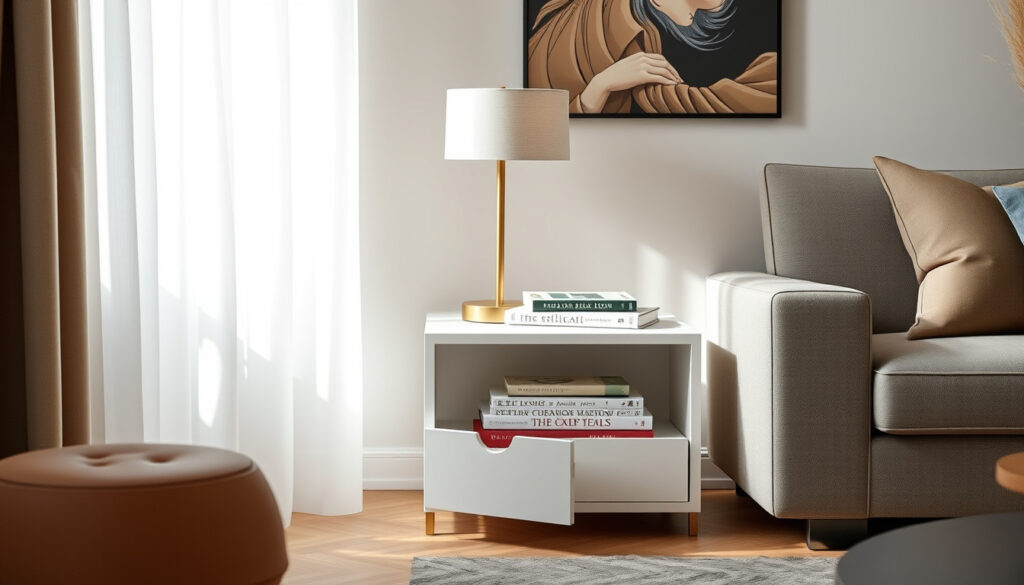
Side Tables for Living Room – Small, Storage & Modern Guide
Side tables for living rooms have evolved beyond simple accent pieces into multifunctional furniture that addresses the demands of modern living. Whether searching for compact options that fit snugly beside a sofa or designs offering hidden storage compartments, understanding the current market landscape helps homeowners make informed decisions.
The variety available today spans from minimalist wooden designs to industrial-metal hybrids, with retailers catering to different budgets and aesthetic preferences. Recent design trends show a shift toward pieces that balance visual appeal with practical functionality, particularly in smaller living spaces where every inch counts.
This guide examines the primary considerations for selecting side tables, explores the most popular styles and materials, and provides practical advice for matching furniture to your specific living room requirements. UK consumers can access a broad range of options through high-street retailers, specialist furniture stores, and online platforms.
Small Side Tables for Living Room
Compact side tables serve an essential function in living rooms where floor space comes at a premium. These smaller designs typically measure between 40 and 50 centimetres in width, making them ideal for positioning beside sofas, armchairs, or in tight corners that larger furniture cannot accommodate.
Key Factors When Choosing Compact Tables
Height alignment with seating proves critical when selecting any side table. The tabletop should sit at approximately the same level as the arm of your sofa or armchair, typically between 55 and 65 centimetres from the floor. This ensures comfortable access for placing drinks, books, or lamps without requiring excessive stretching.
Before purchasing, measure the gap between your sofa’s arm and the floor, accounting for any skirting boards. Leaving a minimum of 5 centimetres clearance ensures easy placement and removal without damaging walls or furniture.
Most manufacturers categorize small side tables as pieces under 50cm in width. Depth typically ranges from 30 to 45 centimetres. Always check individual product specifications, as sizing varies between brands and collections.
Overview of Available Styles
Ideal for tight spaces; typically 40-50cm wide, lightweight, and easy to move.
Combine surface space with hidden compartments or open shelving for decluttering.
Feature clean lines, mixed materials, and contemporary finishes suitable for updated interiors.
Natural materials and distinctive silhouettes add character while serving functional purposes.
Essential Buying Considerations
- Size compatibility: Ensure the table fits comfortably beside your existing seating without obstructing walkways.
- Material durability: Wood and metal options generally offer greater longevity than particleboard alternatives.
- Weight capacity: Check maximum load ratings, especially if planning to place heavy objects like table lamps or books.
- Stability: Tables with wider bases or weighted bottoms resist tipping on carpeted surfaces.
- Finish maintenance: Consider whether the surface requires regular treatment or sealing to maintain its appearance.
- Style cohesion: Match the table’s aesthetic with your existing living room décor for a cohesive look.
- Budget alignment: Prices typically range from £20 for basic models to £200 or more for premium designer pieces.
Quick Comparison by Type
| Type | Typical Size | Price Range | Best For |
|---|---|---|---|
| Small compact | 40-50cm width | £20-£80 | Tight spaces, minimal needs |
| With storage | 45-55cm width | £50-£150 | Organization, small items |
| Modern design | 40-60cm width | £40-£200 | Contemporary interiors |
| Wood finish | 45-65cm width | £30-£180 | Traditional or Scandinavian style |
| Unusual/specialty | Varies widely | £50-£300+ | Statement pieces, feature rooms |
Side Tables for Living Room with Storage
Storage-integrated side tables address a common challenge in living rooms: limited surface area combined with the need to keep frequently used items accessible but out of sight. These designs combine open shelving, closed cabinets, or drawer units with traditional tabletop surfaces.
Storage Configuration Options
Open shelving works well for displaying decorative objects, storing current reading materials, or keeping remote controls within easy reach. Closed storage, whether through doors or drawers, provides a cleaner appearance and hides items that might create visual clutter in living spaces.
Combination designs that pair open and closed storage offer flexibility. Retailers feature models such as the GRÅFJÄLLET Nightstand with anthracite finish measuring 17¾x14⅛x23¼ inches, available at $49.99, which demonstrates how practical compartments can fit into compact footprints.
The SMUSSLA Bedside table in white combines open shelving with closed storage at $59.99, offering versatility for various living room configurations. Premium storage tables priced around $149.99 combine practical compartments with industrial-modern styling, appealing to those seeking both form and function.
Maximizing Small Space Utility
In apartments and smaller living rooms, storage side tables can replace larger storage units while serving multiple purposes. The dual functionality proves particularly valuable in open-plan layouts where furniture must work harder to justify its floor space footprint.
Use closed storage for items used less frequently—instruction manuals, spare batteries, or cables—while reserving open shelves for everyday objects that benefit from visual accessibility. This approach reduces visual clutter while maintaining practical item retrieval.
Material Considerations for Storage Pieces
Particleboard and engineered wood provide affordable options but may show signs of wear if heavily used. Solid wood and metal-framed designs offer superior durability, particularly for frequently accessed drawers or doors. The trend toward combining black metal frameworks with wood veneer finishes reflects demand for industrial aesthetics that also deliver robust storage solutions.
Modern Side Tables for Living Room
Contemporary design trends in side tables emphasize clean lines, geometric forms, and material combinations that suit updated interiors. The shift toward minimalism has influenced how manufacturers approach both the visual appearance and functional design of these pieces.
Current Design Directions
Industrial-modern aesthetics remain prominent, with many designs featuring metal frames paired with natural wood or wood veneer surfaces. This combination delivers visual interest through material contrast while maintaining the clean, understated appearance that contemporary interiors often require.
Geometric and asymmetrical shapes have gained popularity as homeowners seek furniture that serves as subtle focal points rather than disappearing into background décor. Triangle-based designs, round tables with angled legs, and tiered configurations offer alternatives to traditional square or rectangular forms.
Colour and Finish Trends
Neutral finishes dominate the modern market, with white, black, grey, and natural wood tones providing versatile options that integrate easily with existing colour schemes. Accent colours appear in limited editions or statement pieces, typically featuring bold primaries or muted metallics like brass or copper.
Matte finishes show scratches and fingerprints more readily than semi-gloss alternatives. For households with children or frequent activity, consider tables with painted or powder-coated finishes that tolerate regular cleaning without visible wear.
Mixing Styles Within Modern Contexts
Modern interiors can accommodate side tables across different design languages—Scandinavian simplicity, mid-century references, or industrial influences—provided the chosen pieces share compatible proportions or complementary finishes. This flexibility allows homeowners to curate personal combinations rather than purchasing matched furniture sets.
Side Tables for Living Room IKEA
IKEA represents one of the most accessible sources for side tables in the UK market, offering a broad range of designs across multiple product categories including end tables, side tables, accent tables, and bedroom nightstands. Their UK side tables collection demonstrates the retailer’s focus on affordable, functional design.
Popular IKEA Options
The HOLMERUD Side table in oak effect represents an affordable entry point, measuring approximately 31½x12¼ inches and priced around $49.99 in US markets. This wood-effect option suits those seeking natural aesthetics without premium pricing.
The STOCKHOLM 2025 Side table in natural pine veneer offers a mid-range option at approximately $89.99, providing higher quality materials and construction for those willing to invest more. The pine veneer finish delivers authentic wood character while maintaining the affordability the brand is known for.
IKEA Product Range Overview
IKEA categorizes side tables across several product lines, reflecting their versatility for different room contexts. Their inventory includes wood options, compact designs with integrated storage, and pieces suited for contemporary home décor. This multi-category approach allows shoppers to find appropriate options whether seeking bedside alternatives for living rooms or primary accent tables.
Value Considerations
IKEA’s pricing strategy positions most side tables between £20 and £150, with variations based on materials, size, and complexity of design. The B&Q store guide offers additional context for comparing UK retailer options, though B&Q focuses primarily on home improvement rather than furniture specifically.
Stock availability varies significantly between IKEA locations and online inventory. Popular models may experience delays during peak shopping periods. Checking local store stock or home delivery options before visiting is recommended.
Wood Side Tables for Living Room
Wood side tables remain popular due to their natural warmth, versatility, and durability. The material suits various interior styles, from traditional to contemporary, while offering different price points based on wood type, construction quality, and design complexity.
Wood Type Options
Solid oak and pine represent common choices in mid-range pricing. Oak provides exceptional durability and distinctive grain patterns, while pine offers a lighter appearance and more affordable pricing. Veneered particleboard covered with oak or walnut veneer delivers the appearance of solid wood at lower cost, though with reduced longevity.
The VIKHAMMER Nightstand in white (23⅝x15⅜ inches) priced around $99.99 demonstrates the mid-range wood option category, offering practical dimensions and clean aesthetics. The SETSKOG Nightstand in black (17¾x13¾ inches) at approximately $49.99 provides a more compact alternative, showing how manufacturers adapt wood designs across different sizes and finishes.
Maintenance Requirements
Wood furniture requires periodic maintenance to preserve its appearance. Solid wood pieces may need occasional oiling or waxing, while veneered surfaces typically require only dusting and occasional cleaning with appropriate wood cleaners. Avoiding prolonged exposure to direct sunlight prevents fading and discolouration in most wood finishes.
Place wood side tables away from heat sources and direct sunlight to prevent warping or finish deterioration. Using coasters and avoiding placing hot items directly on surfaces extends the furniture’s lifespan significantly.
Style Integration
Wood side tables integrate effectively with various living room styles. Natural oak and pine suit Scandinavian and coastal themes, while darker wood tones like walnut complement traditional and mid-century modern interiors. Painted wood options in white or grey provide flexibility for contemporary and minimalist schemes.
Unusual Side Tables for Living Room
Statement side tables with distinctive designs appeal to homeowners seeking furniture that contributes to room personality beyond basic functionality. These unusual options range from sculptural forms to unconventional materials and innovative constructions.
Design Categories
Sculptural designs treat the side table as functional art, featuring organic curves, asymmetric legs, or unexpected forms that draw attention. Materials like resin, acrylic, concrete, or mixed media combinations create pieces that serve as focal points while maintaining practical usability.
Vintage and antique finds offer another avenue for unusual side tables, with mid-century modern designs, Art Deco pieces, or rustic farmhouse tables providing character that mass-produced furniture cannot replicate. These pieces often appreciate in value while offering unique aesthetic contributions to living spaces.
Considerations Before Purchasing
Unusual designs may present practical challenges. Non-standard heights can affect usability beside certain seating types. Asymmetric bases might compromise stability on uneven floors. Materials like concrete or marble add significant weight, making repositioning difficult. Assessing these factors before purchase ensures the chosen piece will serve its intended purpose effectively.
Designer and vintage unusual pieces often command premium pricing but may retain value better than mass-produced alternatives. For those seeking statement furniture that could appreciate over time, researching provenance, condition, and designer reputation provides useful context for purchasing decisions.
How to Choose Side Tables for Your Living Room
Selecting the right side table requires balancing multiple factors including available space, existing furniture, functional needs, and aesthetic preferences. A methodical approach ensures the chosen piece will serve its purpose effectively while contributing positively to the room’s overall design.
Matching to Sofa Height
The most critical dimension consideration is height. Side tables work best when their tabletop sits within 5 centimetres of the sofa arm height. This alignment ensures comfortable reach without requiring excessive bending or stretching. For modular sofas or pieces with varying arm heights, selecting an adjustable or alternative-height table may be necessary.
Room Style Compatibility
The chosen side table should complement the dominant style of the living room. Cohesive styling creates visual harmony, while deliberate contrast can add interest when executed thoughtfully. Consider the existing furniture materials, finishes, and design language before making a selection.
Assessing Storage Needs
Evaluate what items will occupy the side table and surrounding area. If remote controls, magazines, or daily essentials need storage, prioritize designs with shelves, drawers, or closed compartments. For purely surface-based use, simpler designs without storage features may suffice.
For those exploring broader home construction or renovation considerations, the Build a house UK costs guide provides additional context on planning home improvements and understanding associated expenses.
Summary
Side tables for living rooms serve both functional and aesthetic purposes, with options available across various sizes, materials, and price points. Small compact designs address space constraints, while storage-integrated models help maintain organized living spaces. Modern aesthetics emphasize clean lines and material combinations, whereas wood options deliver timeless warmth and durability.
IKEA and similar retailers offer accessible entry points for those seeking functional designs at reasonable prices, while specialty and vintage sources provide options for homeowners seeking distinctive or unusual pieces. Prioritizing height compatibility with existing seating, assessing storage requirements, and considering long-term maintenance needs helps ensure a satisfactory purchase that serves the living room effectively for years to come.
Frequently Asked Questions
What height should a living room side table be?
The ideal height aligns with your sofa or armchair arm, typically between 55 and 65 centimetres from the floor. The tabletop should sit within 5 centimetres of the arm height for comfortable access.
How do I measure for a side table?
Measure the available floor space where you intend to place the table, accounting for any skirting boards and allowing clearance for walkways. Also measure the height of your sofa arm to ensure compatibility.
What is the average price for a quality side table?
Prices range from approximately £20 for basic models to £200 or more for premium designer pieces. Mid-range options with good materials typically fall between £50 and £120.
Do side tables need to match other furniture?
Matching is not required, but cohesion helps create visual harmony. Sharing similar finishes, proportions, or design languages with existing furniture creates cohesive interiors without requiring identical pieces.
Which materials offer the best durability?
Solid hardwoods like oak and walnut provide excellent longevity. Metal-framed designs with quality joinery also prove durable. Particleboard alternatives offer affordability but typically show wear faster with heavy use.
Can side tables be used outdoors?
Only tables specifically designed for outdoor use should be placed outside. Indoor furniture lacks weather-resistant finishes and may deteriorate quickly when exposed to moisture or sunlight.
How many side tables does a living room need?
This depends on seating arrangement and personal preference. A single sofa typically benefits from one side table on the dominant side. Multiple seating pieces may warrant tables beside each primary seat.
More related posts
 Play Parks Near Me – Free Toddler and Adventure Playgrounds
 Pound To Taka Rate Today – Live GBP to BDT Comparison
 The Essex Golf Club – Green Fees, Membership & Course Guide
 White Blood Cells in Urine – Causes, Symptoms and Next Steps
 Nicholas Lyndhurst – Biography, Career, Family and the Frasier Reboot
 How Do I Contact DWP by Phone – Official Numbers and Times
 B&Q Paisley – Address, Hours, Phone and Services Guide